


This is Part 2 of a nine-part series revisiting essays about politics, power, and what it takes to build a more human world. After the election and with a new Democratic majority, I’m asking what we can look for, what we can push for, and where we can help something different grow.
I’m taking some time away to focus on other projects, as I shared in Atlas, the Mulch Pile, and the Foolishness of Carrying It All. In the meantime, I’m returning to these pieces to keep the conversation going about how we stay human in the midst of all of this.
Last week, I asked what might happen if we stopped treating the person beside us as the enemy and started asking where power actually lives. This piece goes a little deeper: how did we learn to fear each other in the first place?
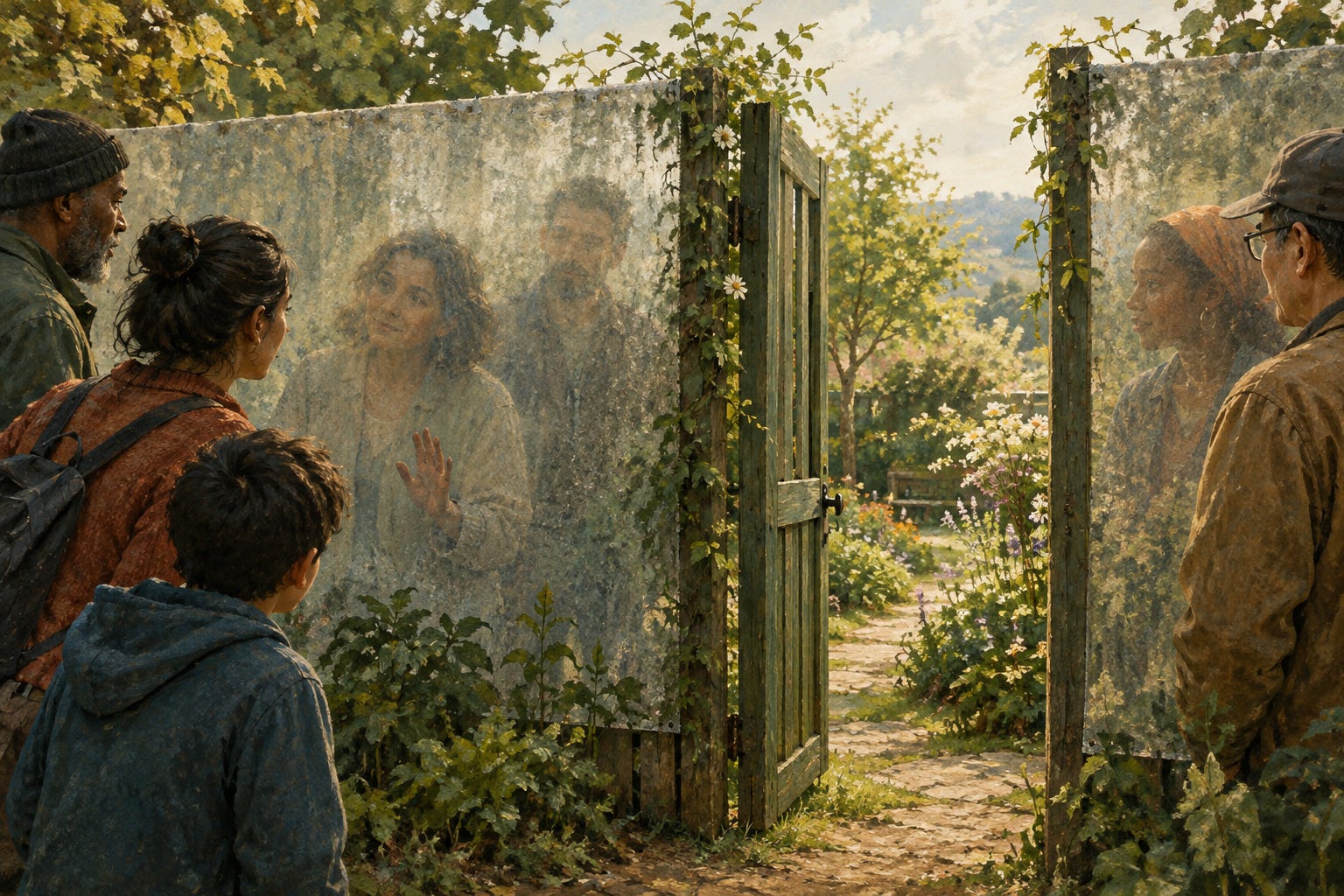
Words like capitalism and socialism are often used to end a conversation before it begins. But behind the labels are human questions about who owns, who works, who decides, and what we owe one another. If this new political moment is going to lead anywhere different, we need to get curious about those questions instead of letting familiar fears answer them for us.
Who Taught Us to Fear Each Other?

What if the capitalism we argue about today is not the same thing Adam Smith described?
Invitation: The next time a political label triggers a reaction, pause and ask: What policy is actually being proposed, who benefits, and who bears the cost?
Next Week: The people whose work makes our shared life possible.